How Do Live Casinos Keep the Presenter and Table Both Clear on Camera?
Live casino productions have taken the online gambling world by storm, offering players a real-time, immersive experience that bridges the gap between digital and physical gaming. But beneath the gloss and glamour lies a technical feat: keeping both the presenter and the gaming table crystal clear on camera.
The intricacies of camera positioning, lighting balance, and focus management come together to create seamless multi-camera studio productions tailor-made for online casino apps and mobile websites. This blog dives deep into how live casinos orchestrate these components with precision, featuring insights from industry leaders like Hardware Times, MRQ (mrq.com), and standards championed by the Society of Motion Picture and Television Engineers (SMPTE).
The Art and Science of Multi-Camera Studio Production
Multi-camera setups are standard in broadcast TV but entail unique challenges when applied to live casinos. The goal: showcase both the presenter and the gaming table simultaneously without compromising clarity or viewer engagement.
Camera Positioning: More than Just Angles
Strategic camera positioning forms the foundation for a clear visual narrative. Typically, live casino studios employ anywhere from 3 to 6 cameras:
- Presenter Camera: Focuses tightly on the dealer or presenter, capturing expressions and hand movements.
- Table Camera(s): Offers overhead or side views of cards, chips, roulette wheels, and other table elements.
- Wide Shot Camera: Provides context by including both presenter and table in one frame.
- Cut-in Cameras: Zoom on hands, dealer gestures, or game-specific items.
Hardware Times highlights that the optimal distance and height depend on the lens focal length and room dimensions. Too close on the table camera causes distortion, while too far on the presenter loses subtle cues.
MRQ's recent case studies emphasize the use of remote-controlled robotic camera heads that adapt positions dynamically—important for accommodating different games and dealer gestures without pausing streams.
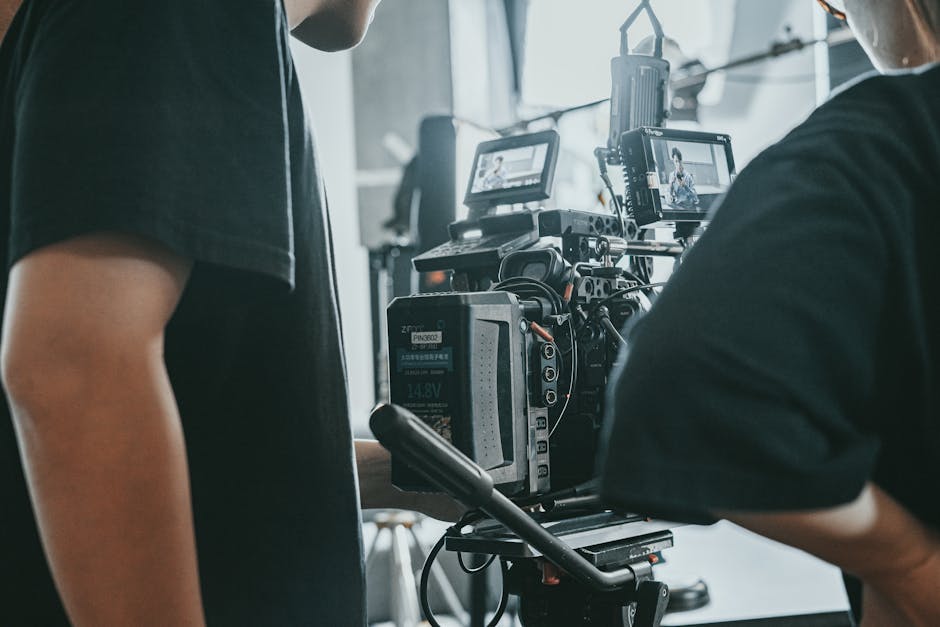
But here’s the catch: what happens when this box overheats at hour 9? Redundant camera paths and backup encoders are a must to prevent disruptions.
Lighting and Visual Consistency: Avoiding Shadows and Glare
Lighting is often overlooked but can make or break the clarity of both presenter and table. SMPTE guidelines offer extensive recommendations on achieving cinematic yet consistent lighting in multi-purpose studios.
Lighting Element Purpose Implementation Tips Key Light Illuminates main subject (dealer) Use diffused lights to reduce harsh shadows Fill Light Softens shadows on the dealer and table Place opposite key light at lower intensity Back Light Adds depth and separation from background Use subtle rim lights to highlight contours Table Lights Specifically brightens cards and chips LED panels angled to avoid glare on cameras Background Lights Enhance visual texture without distraction Soft-colored washes or dimmable accentsAchieving lighting balance is a dance between preventing glare on shiny chips and cards and avoiding shadowed dealer faces that diminish trust in gameplay honesty. Society of Motion Picture and Television Engineers stresses maintaining color temperature consistency (3200-5600K) to avoid jarring transitions between camera cuts. This is especially critical for mobile websites where color variances are more visible on small screens.
Mobile-First Streaming Constraints: Clarity on Small Screens
With a majority of players tuning in via smartphones, the pressure is on to maintain clarity despite limited screen real estate and variable connectivity. Live casino streams are optimized for mobile-first consumption by:
- Prioritizing Key Details: Camera shots favor close-ups of dealer hands and visible cards—the core of trust and transparency.
- Adaptive Bitrate Streaming (ABR): Adjusts quality dynamically, but careful encoding ensures details remain visible at low bandwidths.
- UI overlays: Interactive elements appear without obstructing critical visual information.
- Minimal Latency: Live interaction requires sub-5-second delays whenever possible.
One common annoyance: spec chasing ultra-high resolutions like unnecessary 4K streaming. Hardware Times warns that the average handset screen can’t appreciate ultra-high resolution, and the incurred bandwidth cost risks stuttering and image artifacts that degrade trust.
Encoding and Compression: The Final Layer of Clarity
Compression is where the visual mix of camera positioning and lighting meets real-world network conditions. SMPTE’s codec standards and MRQ’s live casino integrations share the best practices:
- Low-Latency Codecs: HEVC and AV1 variants tuned for minimal delay without compromising quality.
- Multi-Bitrate Encoding: Ensures frames stay crisp from fiber broadband down to unstable 4G.
- Scene-Aware Compression: Optimization algorithms analyze frame focus areas (dealer’s face and hands) to allocate more bits there.
- Redundant Encoding: Dual encoders run parallel to switch over instantly if artifacts appear.
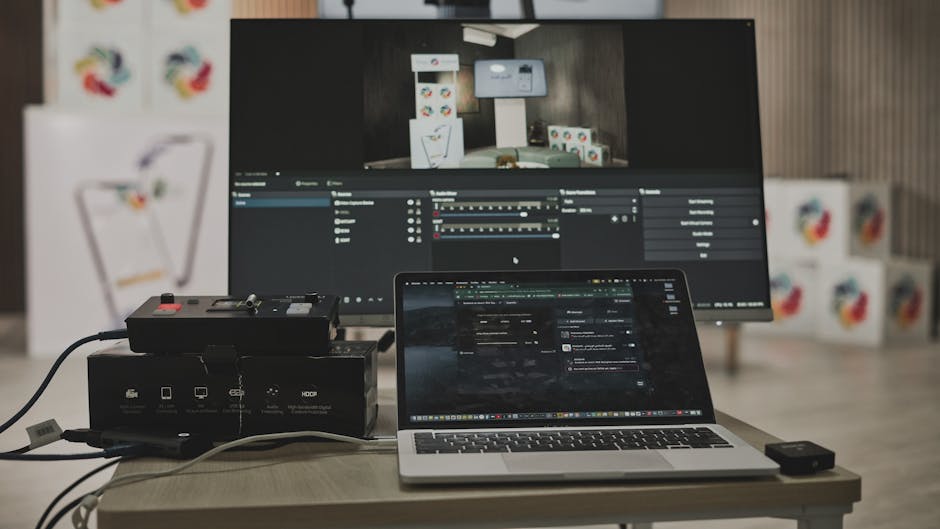
A key question I always keep in mind: hardwaretimes.com what happens when the encoder box overheats at hour 9? Long-running sessions demand hardware rated for continuous operation with extensive monitoring—something only enterprise-grade solutions from trusted vendors like MRQ ensure.
Putting It All Together: A Mental Checklist for Live Casino Clarity
From my 12 years in live production, here is my sync checklist to ensure presenter and table always look sharp and perfectly synced on live casino streams:
- Verify all cameras calibrated to the same white balance setting.
- Confirm lighting angles prevent glare on cards and chips.
- Check focus zones to guarantee dealer hands and table elements are sharp.
- Validate encoder settings prioritize low latency and visual fidelity.
- Run failover drills for camera and encoder hardware replacements.
- Test streaming performance on multiple mobile devices and networks.
- Review SMPTE compliance for broadcast quality standards.
Conclusion
Live casino streaming is a technical ballet, marrying multi-camera studio expertise, meticulously balanced lighting, mobile-first constraints, and intelligent encoding to deliver an experience where both the presenter and table shine clearly. With contributions and standards from organizations like SMPTE, innovations from platform leaders like MRQ, and gear reviews by Hardware Times, the future of live casino streaming is both bright and resilient.
If you’re building or managing live casino productions, prioritize redundancy, avoid the temptation of flashy but unnecessary specs, and always ask yourself the critical operational questions—like what happens when your gear is running hot on hour nine.